Independent research. Autwary does not use affiliate links, earn commissions or accept payment for rankings. How we review
Short answer: most extended car warranties do not cover normal wear and tear, but many do cover a covered part that breaks after it wears beyond the manufacturer’s limits. Brake pads, rotors, tires, wiper blades, belts, hoses and clutch discs are excluded in almost every contract because they are expected to wear out. What a vehicle service contract pays for is a “breakdown”: a listed part that stops doing its job. The fine print that decides your claim is the contract’s definition of breakdown, and it varies more than most buyers expect.
Below, we walk through what two real sample contracts say, which parts are almost always excluded, where “wear” claims are actually winnable, and what to check before you buy. We have no paid relationship with any provider mentioned.
Wear and tear vs breakdown: the two definitions that decide your claim
Every vehicle service contract defines what counts as a covered failure. Two public sample contracts show the two main approaches:
- Strict approach (CARCHEX sample agreement). The CARCHEX Extended Vehicle Protection sample agreement, administered by United Service Protection Corp. (an Assurant company), defines wear and tear as gradual deterioration from use, time and weather, and says a gradual loss of performance from wear is not a breakdown. But it also says a breakdown has occurred when a part’s specifications exceed the manufacturer’s tolerances. So a worn part can be covered if it has worn past factory limits and is on your plan’s list.
- Functional approach (GM-brand sample contract). A sample GM-dealer service contract administered by AMT Warranty Corp. has no blanket wear-and-tear exclusion. It defines a breakdown as a covered part that can no longer perform its designed function because of its own condition. Repairs with no breakdown, or parts a shop simply recommends replacing, are excluded. (Its Illinois amendment adds that a gradual drop in performance from wear is not a breakdown.)
In plain terms: a part that is merely tired is not covered. A covered part that has actually failed, or worn past the manufacturer’s tolerance, often is. That distinction is behind many of the denied extended warranty claims we see.
Parts that are almost never covered
These “wear items” appear on the exclusion lists of both sample contracts above, and on nearly every contract we have read:
| Item | CARCHEX sample (Assurant/USPC) | GM-dealer sample (AMT/Wesco) |
|---|---|---|
| Brake pads and shoes | Excluded | Excluded |
| Brake rotors and drums | Excluded | Excluded |
| Brake calipers, master cylinder, ABS parts | Depends on plan level | Covered on the Silver list |
| Tires and wheels | Excluded | Excluded |
| Wiper blades | Excluded | Excluded (wiper motor and washer pump covered on Silver) |
| Clutch disc, pressure plate | Excluded | Excluded (torque converter and flywheel covered) |
| Spark plugs, belts, hoses | Excluded | Excluded as maintenance |
| Shock absorbers, alignment | Excluded | Alignment excluded |
| Fluids and filters | Only as part of a covered repair | Only when needed because of a breakdown |
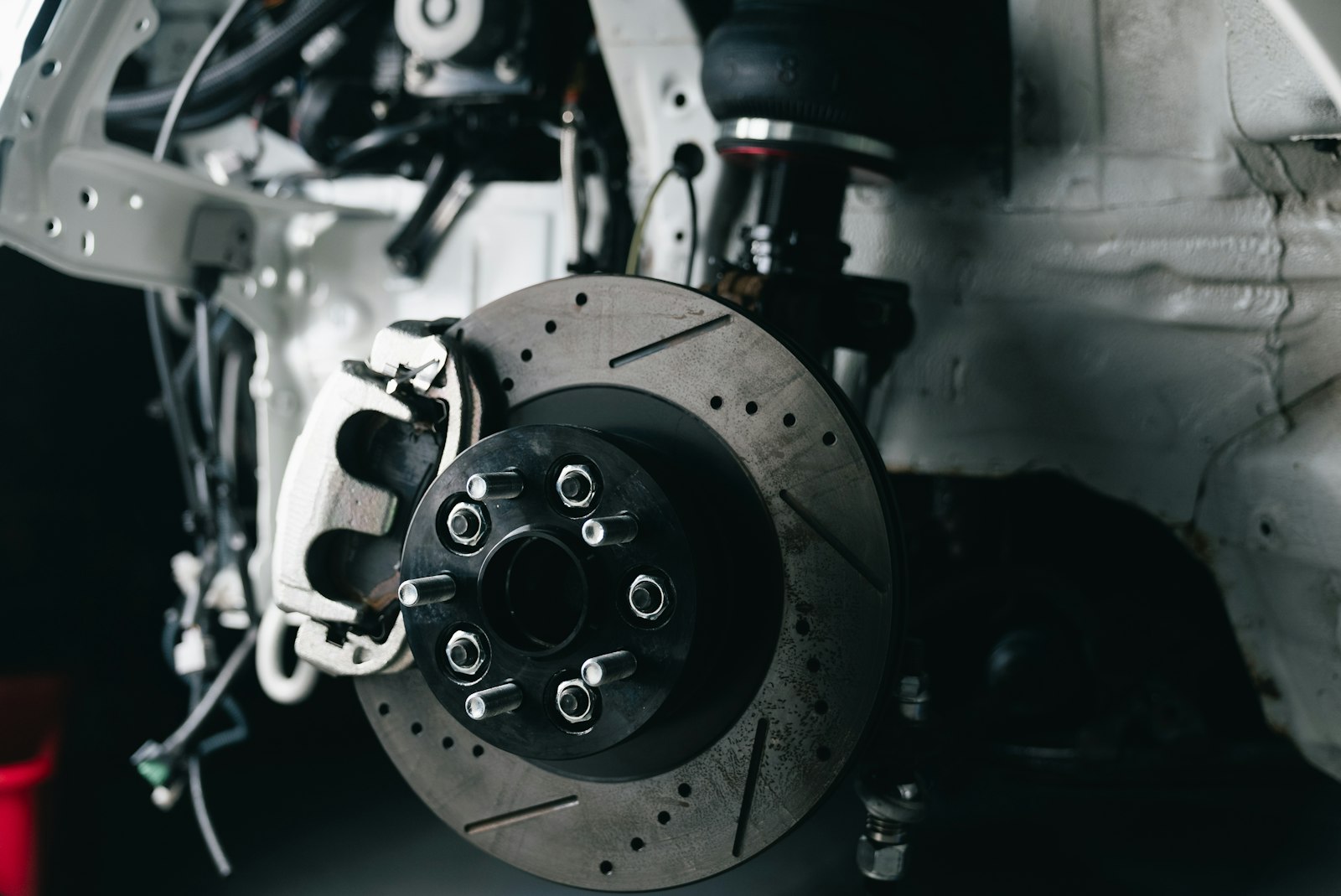
Notice the pattern. The part that wears (pad, rotor, blade, clutch disc) is excluded. The hardware that operates it (caliper, master cylinder, wiper motor, flywheel) is often covered. That is why reading the covered-parts list matters as much as reading the exclusions. Our guide to exclusionary vs stated component coverage explains how those lists work.
Where “wear” claims are winnable
Some of the most expensive failures on an older car are, mechanically, a form of wear. Whether they get paid depends on the contract wording and the shop’s diagnosis:
- Engine and transmission internals. Bearings, piston rings and clutch packs wear slowly. If the shop documents that a covered part failed or measured outside factory tolerance, a contract like the CARCHEX sample treats that as a breakdown.
- Suspension and steering parts. Control arm bushings, ball joints and tie rod ends are often on higher-tier covered lists even though they fail from age and mileage. Shocks and struts are usually excluded.
- Seals and gaskets. Leaks from aging seals are covered on many mid and top tiers, sometimes only when the leak requires a covered repair. Check whether seals and gaskets are listed for your plan.
Claims in this gray zone are where documentation wins. Ask the shop to write down the measurement or test result that shows failure, not just “worn”. And make sure the problem started after your waiting period, or the administrator may call it a pre-existing condition.
A worked example: one brake job, two outcomes
Say your front brakes start grinding and the shop quotes the job below. The prices are illustrative, not quotes from a specific shop; the coverage column follows the GM-dealer sample contract on a stated-component (Silver) plan with a $100 deductible.
| Line item | Example price | Covered? | You pay |
|---|---|---|---|
| Front pads | $180 | No (wear item) | $180 |
| Front rotors | $260 | No (wear item) | $260 |
| Seized front caliper | $340 | Yes (listed brake component) | $0 |
| Brake fluid flush | $120 | Only as part of the covered caliper repair | $0 |
| Deductible | $100 | ||
| Total | $900 | $540 |
If the caliper had not seized and the job were only pads and rotors, the contract would pay nothing and you would owe the full $440. Two lessons: wear items are your cost no matter which plan you buy, and the deductible can eat most of the value of a small covered repair. That is one reason the per-visit vs per-repair deductible question matters.
Maintenance records: the clause that turns wear into a denial
Administrators often argue that a failure came from neglect rather than a defect. The CARCHEX sample requires you to follow the manufacturer’s maintenance schedule (normal or severe, whichever fits your driving) and to keep proof: repair orders with mileage, VIN, parts and labor, or a self-maintenance log backed by receipts. A log without receipts is not accepted. It also excludes failures caused by overheating, low fluid levels, sludge or carbon buildup.
In practice, an engine that fails at 110,000 miles with no oil-change receipts for the last 30,000 miles is a likely denial, even on a top-tier plan. Keep every receipt in one folder or app. Our list of what voids an extended car warranty covers the other common traps.
If you want wear items covered: prepaid maintenance, not a warranty
There is no standard product called a “wear and tear warranty.” What exists is prepaid maintenance: dealer or manufacturer packages, and a few third-party plans, that pay for scheduled services and sometimes wear parts such as brake pads, wiper blades or a battery. Before buying one, add up what the listed services would cost you at your usual shop over the plan’s term and compare that with the plan price. On a leased car, “excess wear and use” protection is a different product again: it covers lease-end charges for dings and tire wear, not mechanical repairs. See do you need an extended warranty on a leased car.
Checklist before you sign
- Ask for the full sample contract, not a brochure. The FTC’s guide to auto service contracts recommends reading the contract and knowing who backs it before you buy.
- Find the definition of “breakdown” or “mechanical breakdown”. Look for the phrase “manufacturer’s tolerances” or “designed function”.
- Read the exclusions for wear items and compare them with the covered-parts list for your tier.
- Check whether seals and gaskets are covered, and under what conditions.
- Check your state’s amendments page. As the Illinois example shows, state language can change how wear is treated.
- Set up a maintenance file on day one.
FAQ
Does an extended warranty cover brake pads?
Almost never. Brake pads, shoes, rotors and drums are standard exclusions. Calipers, master cylinders and ABS components are often covered on mid and higher tiers.
Are tires covered under an extended car warranty?
No. Tires and wheels are excluded in both sample contracts we reviewed. Tire-and-wheel protection is sold as a separate product.
Can a claim be denied as “wear and tear” on an engine or transmission?
Yes, if the contract treats gradual wear as excluded and the shop’s report only says the part is worn. Ask the shop to document the actual failure or the measurement outside factory specifications, and request the denial in writing citing the contract section.
Does bumper-to-bumper coverage include wear and tear?
No. Even exclusionary “bumper-to-bumper style” plans list wear items among their exclusions. See bumper-to-bumper vs powertrain for what the top tier really adds.
Do extended warranties cover routine maintenance like oil changes?
Standard service contracts do not. Some sellers bundle maintenance perks or sell prepaid maintenance separately; compare the bundle price with what the services cost on their own.
Autwary is supported by advertising and has no paid relationship with the companies we review. See our Advertising Disclosure.