Independent research. Autwary does not use affiliate links, earn commissions or accept payment for rankings. How we review
Extended warranty pre-existing conditions clauses are behind many denied claims. In simple terms, the provider will not pay to fix a problem that already existed before your coverage started. Understanding how this rule works helps you avoid buying a plan that will not pay for the repair you are worried about.
What counts as a pre-existing condition?
A pre-existing condition is any mechanical problem that was present, or developing, before the contract took effect. It does not matter whether you knew about it. If the failure began earlier, the provider can usually exclude it.
Common examples include:
- A transmission that was already slipping when you bought the plan.
- An oil leak that was visible during the inspection.
- A check-engine light that was on before coverage began.
- A noise or vibration that a mechanic had already noted.
Why providers exclude them
An extended warranty spreads the cost of unexpected repairs across many customers. If people could buy coverage after a problem appears, the system would not work. That is the same reason most plans have a waiting period before coverage starts. The waiting period gives the provider time to rule out problems that were already there.
How providers check for pre-existing conditions
When you file a claim, the provider may look at several things to decide whether the problem started earlier.
| What they check | What it can show |
|---|---|
| Inspection at purchase | Problems noted before coverage |
| Service and repair records | Earlier complaints about the same part |
| Diagnostic trouble codes | How long a fault has been stored |
| Mileage since purchase | Whether a failure is too soon to be new |
| Teardown inspection | The age and type of the damage |
Some providers require an inspection before you buy, especially for higher-mileage cars. Others inspect only when a claim comes in.
How to avoid a pre-existing condition denial
- Get a pre-purchase inspection from an independent mechanic before you buy the plan.
- Fix known problems first, and keep the repair invoice.
- Answer every application question honestly.
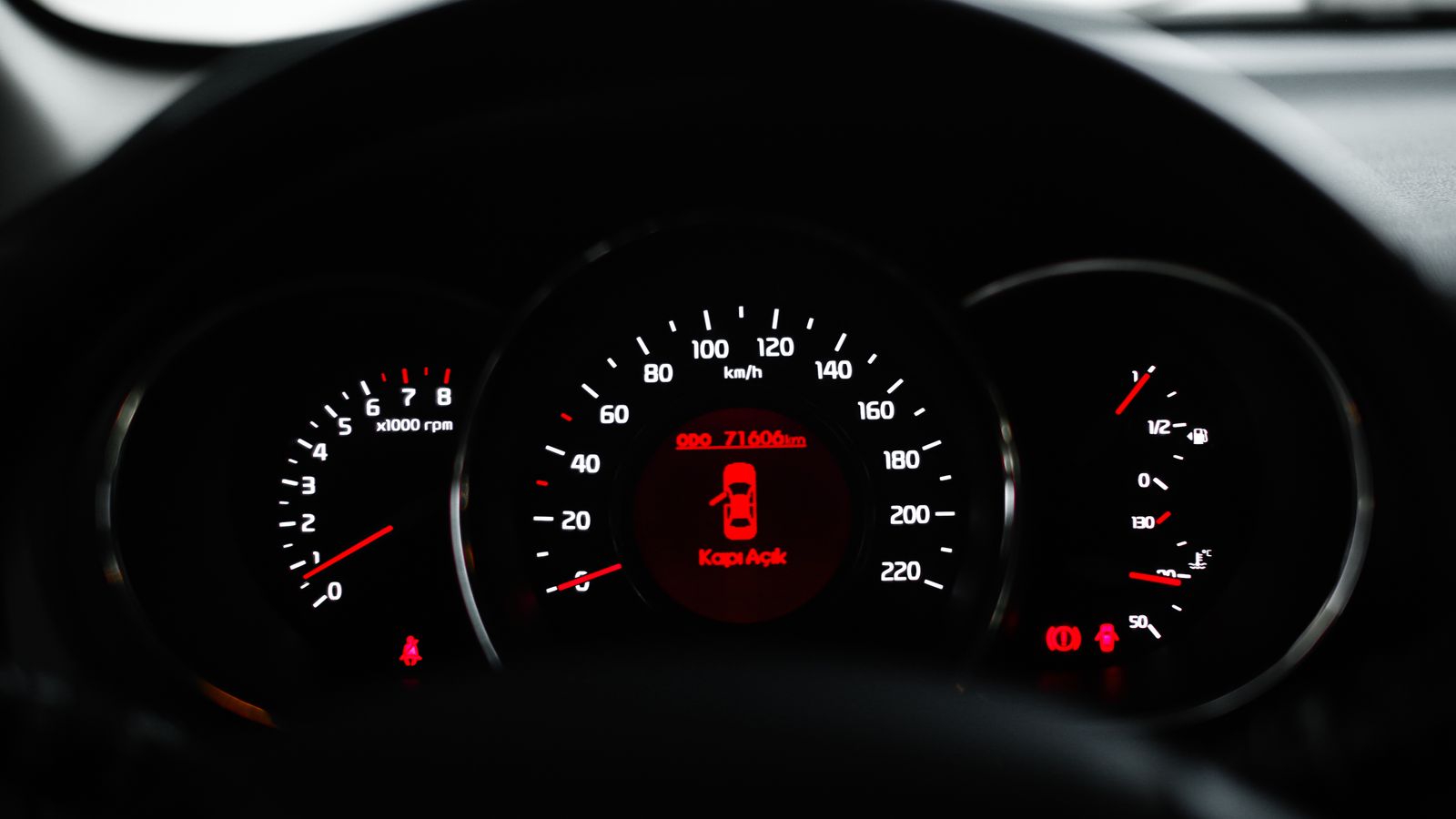
- Keep a dated photo of the dashboard showing no warning lights when coverage starts.
- Keep all maintenance records from the day you buy.
These steps give you evidence if the provider later claims the problem existed before coverage.
Administrators often pair a pre-existing condition argument with a “normal wear” argument on older cars. See how contracts define wear and breakdown in does an extended warranty cover wear and tear?
Buying a used car? Be extra careful
Used cars are where these disputes happen most. Ask the seller for service records and run a vehicle history report. If you are shopping for a high-mileage car, read our guide to the best extended car warranty for used cars over 100,000 miles, since inspections are more common in that segment.
What to do if your claim is denied for this reason
Ask for the denial in writing, including the evidence the provider used. Then compare it with your own records. A clean inspection report or a recent repair invoice can change the outcome. Our step-by-step guide on what to do when an extended warranty claim is denied explains how to appeal and escalate.
FAQ
Does a waiting period protect me from pre-existing condition denials?
No. The waiting period protects the provider. A problem that started before or during the waiting period is usually still excluded.
Can I buy an extended warranty for a problem I already have?
Generally, no. Coverage is meant for future failures. Fix the current problem first, then buy coverage. Read what an extended car warranty actually covers to understand the limits.
What if the mechanic cannot tell when the problem started?
That is when your records matter most. Clean inspection reports and regular maintenance make it harder for a provider to argue that the failure was pre-existing.
For official consumer guidance, see the Federal Trade Commission’s guide to auto warranties and auto service contracts.