Independent research. Autwary does not use affiliate links, earn commissions or accept payment for rankings. How we review
Knowing what voids an extended car warranty can save you from a denied claim at the worst possible moment. Most coverage problems do not come from bad luck. They come from a handful of avoidable mistakes that give the provider a valid reason to say no.
An extended car warranty is really a vehicle service contract. It pays for covered repairs only if you follow the terms you signed. Break those terms and the provider can deny a single claim or, in serious cases, cancel the contract entirely.
This guide covers the nine most common mistakes, how each one affects your coverage, and what to do instead.
What voids an extended car warranty: the short answer
In most contracts, coverage is voided or reduced when the owner skips required maintenance, modifies the vehicle in a way that causes the failure, uses the car commercially without the right plan, or lets a repair shop start work without approval. Misstating the mileage or condition of the car when you buy the plan is another common trigger.
Some of these only affect one claim. Others can end the contract. The table below shows the difference.
| Mistake | Typical result |
|---|---|
| Skipping scheduled maintenance | Related claim denied |
| Repairs without pre-authorization | Claim denied or reduced |
| Modifications that cause damage | Related claim denied |
| Commercial use on a personal plan | Claim denied, contract may be cancelled |
| Misrepresenting mileage or condition | Contract may be cancelled |
| Odometer tampering or failure | Contract may be cancelled |
| Racing or off-road abuse | Related claim denied |
| Ignoring a warning light | Claim reduced for added damage |
| Salvage or total-loss title | Coverage usually ends |
1. Skipping or failing to document maintenance
This is the number one reason claims fail. Nearly every contract requires you to follow the manufacturer’s maintenance schedule. If your engine fails and you cannot show regular oil changes, the provider can argue that neglect caused the damage.
Keep every receipt with the date, mileage, and the work done. Receipts from a quick-lube shop are fine. A record you did yourself usually needs proof of the parts you bought, so keep those receipts too.
2. Letting a shop start work without approval
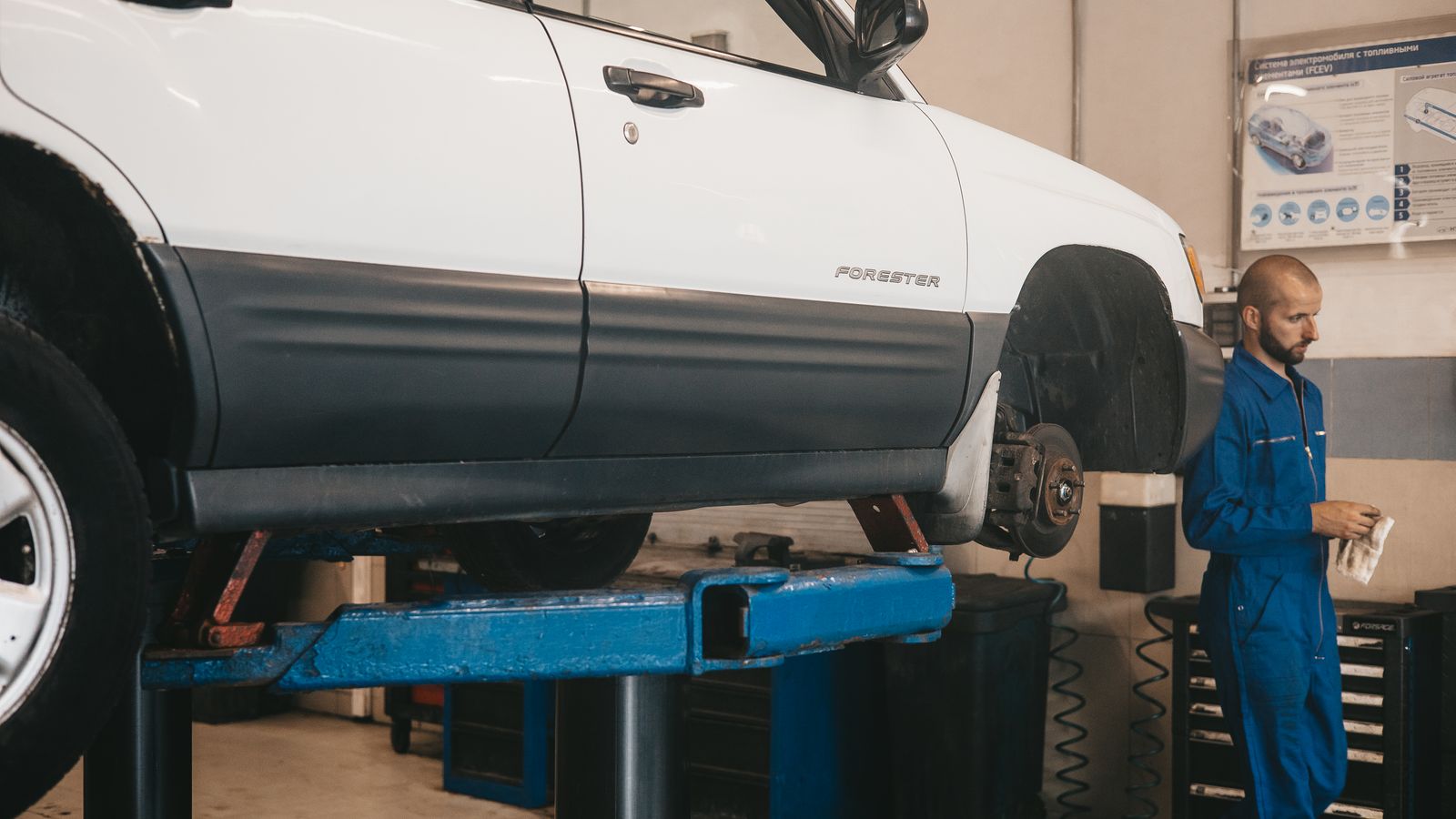
Most providers require pre-authorization before any repair begins. If the shop tears down the engine first and calls later, the provider may refuse to pay for the teardown or the repair. Read our guide on how to file an extended car warranty claim to see the right order of steps.
3. Modifications that cause the failure
Aftermarket parts do not automatically void a contract. But if a modification causes or contributes to a failure, the provider can deny that claim. A performance tune that leads to engine damage is a classic example.
For factory warranties, the federal Magnuson-Moss Warranty Act generally stops a manufacturer from denying coverage just because you used aftermarket parts. Vehicle service contracts work differently. Your rights depend on the contract itself and on state law, so check the modification clause before you change anything.
4. Using the car for business without the right plan
Rideshare driving, deliveries, and other commercial use put far more wear on a car. Many personal-use contracts exclude it. If you drive for Uber, Lyft, or a delivery app, ask for a plan that explicitly allows it.
5. Misstating mileage or condition at purchase
Providers price coverage on the mileage and condition you report. If you understate the miles or hide a known problem, the provider can cancel the contract once it finds out. Be accurate on the application, even if it raises the price.
6. Odometer problems
A broken, replaced, or tampered odometer makes it hard to prove the mileage. Most contracts require you to report and repair an odometer failure promptly. Tampering is grounds for cancellation.
7. Racing, off-roading, or other abuse
Track days, competitive events, and off-road driving are usually excluded. Damage from towing beyond the vehicle’s rated capacity is often excluded too.
8. Ignoring a warning light
If you keep driving after a warning light comes on and the damage spreads, the provider may only pay for the original failure. Pull over, stop driving if it is safe to do so, and call the claims line.
9. A salvage or total-loss title
If your car is declared a total loss and gets a salvage or rebuilt title, most contracts end. Some providers refund the unused portion. See our guide on how to cancel an extended car warranty and get a refund.
How to protect your coverage
- Read the exclusions and maintenance sections before you sign. Our extended car warranty contract checklist shows what to look for.
- Keep a simple folder or phone album with every service receipt.
- Call the provider before any repair, not after.
- Ask in writing whether a modification is allowed before you install it.
- Report odometer problems right away.
What to do if your claim is denied
A denial is not always final. Ask for the reason in writing, compare it with your contract, and send your maintenance records. If you still disagree, escalate. Our guide on what to do when an extended warranty claim is denied walks through each step.
FAQ
Does using a non-dealer mechanic void an extended warranty?
Usually not. Most contracts let you use any licensed repair shop. Read more in can you use any mechanic with an extended warranty.
Can one missed oil change void the whole contract?
It rarely voids the full contract. More often, it gives the provider grounds to deny a related engine claim. A short gap with good records overall is easier to defend than no records at all.
Does selling the car void the warranty?
Not necessarily. Many contracts can be transferred to the next owner for a small fee. See how to transfer an extended car warranty.
For official consumer guidance, see the Federal Trade Commission’s guide to auto warranties and auto service contracts.