Independent research. Autwary does not use affiliate links, earn commissions or accept payment for rankings. How we review
Extended warranty rental car coverage is one of the most overlooked parts of a plan. Beyond the repair itself, going without a car for even a few days costs money. Most extended warranty plans include some rental car and towing benefits. The amounts and terms vary enough to matter when you compare providers.
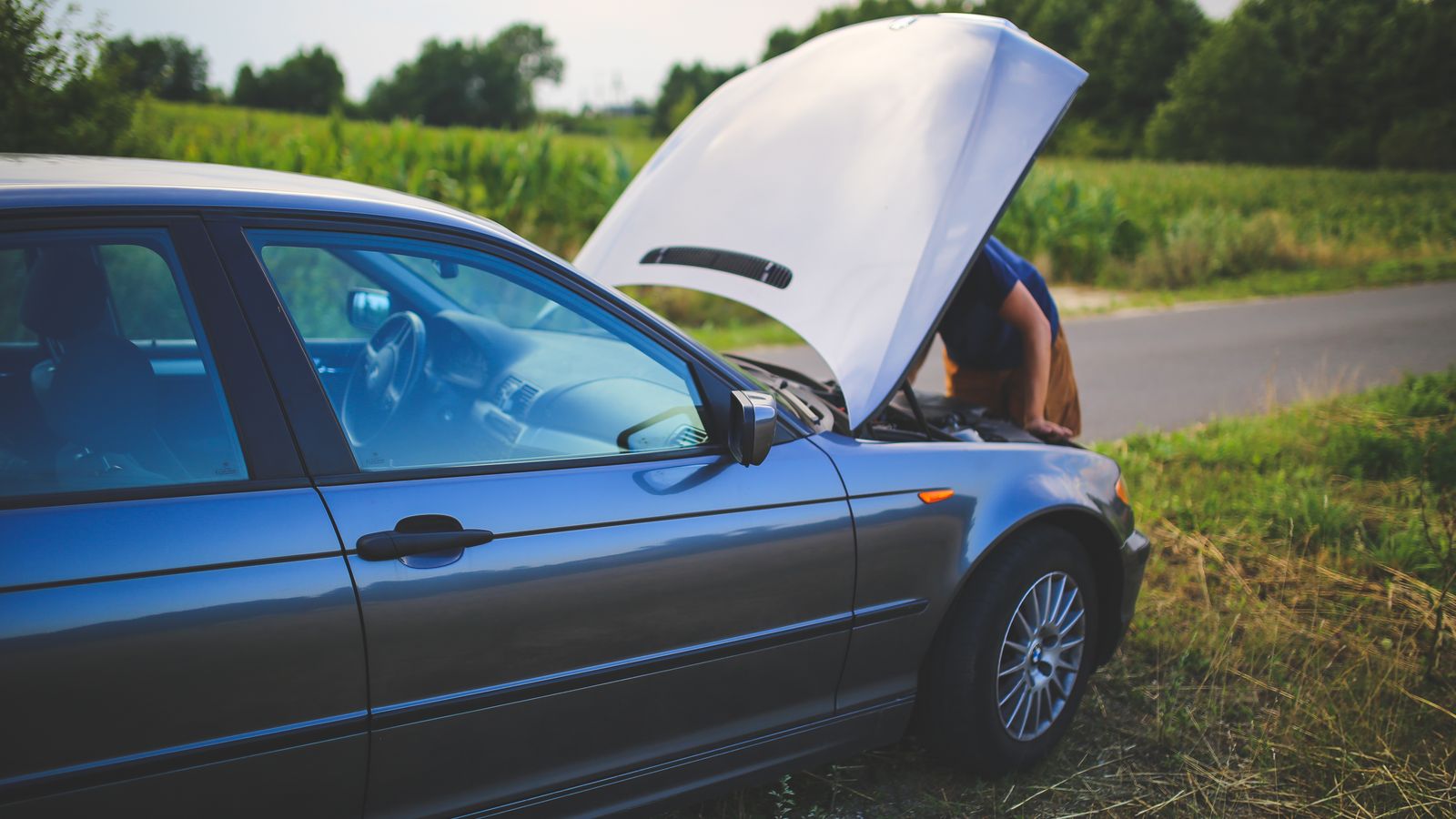
Short answer: yes, most extended car warranties (vehicle service contracts) include rental car reimbursement and towing. They only pay when a covered part causes the breakdown. Rental benefits usually top out at about $35 to $50 per day for 5 to 7 days per repair. Towing usually tops out at around $100 per breakdown. You normally pay first and the plan reimburses you. A flat tire, an accident or routine maintenance won’t trigger the rental benefit. A separate roadside assistance benefit may still send a tow truck.
Shoppers often overlook these benefits, because the big decision is which parts the plan covers. But when a covered repair keeps your car in the shop for days, rental costs add up fast. So does the hassle of finding your own rides. A generous daily rental cap and a wide roadside radius can change how a breakdown plays out for you. That holds even when the repair itself is the same one a cheaper plan would cover.
Extended warranty rental car coverage: typical reimbursement
| Provider | Rental car benefit |
|---|---|
| CARCHEX | Up to $40/day, $320 max per claim (some contracts: $35/day for 5 days) |
| autopom! | Up to $35/day for up to 6 days |
| ForeverCar (historical) | Up to $35/day |
Plans usually cap reimbursement per day and per claim. The benefit often starts only when the covered repair takes longer than a set minimum, such as overnight.
These caps matter more than they might first appear. A $35-$40 daily cap often covers a basic economy rental in most markets. It can fall short in a high-cost area or when rental demand is high. It can also run out if the shop waits on a special-order part. Check the daily rate, the maximum number of days, and the maximum dollar total per claim. A plan that stops at $320 total works very differently from one with only a daily rate. The gap shows most on a repair that takes a week or more.
What two real contracts say about rental cars and towing
Marketing pages round these numbers off, so it helps to look at the actual contract language. Below are the benefits written into two publicly posted documents: the PenFed MemberCare Elite sample contract (administered by Synergy Administrators) and the CNA National vehicle service contract brochure, a plan sold through dealers.
| Benefit | PenFed MemberCare Elite (sample contract) | CNA National VSC (brochure) |
|---|---|---|
| Rental car | Up to $50 per day, max 5 days or $250 per repair visit; rideshare or taxi also accepted | Up to $35 per day, $245 total |
| Towing after a covered breakdown | Up to $100 per mechanical breakdown | Up to $100 |
| Roadside service (jump start, lockout, flat tire, fuel) | Up to $100 per occurrence, for any reason | Up to $50 per occurrence |
| Trip interruption (meals and lodging) | $125 per day for up to 3 days ($375) if you are more than 100 miles from home | $75 per day, up to $225, if you are more than 100 miles from home |
| Deductible on these benefits | None | Not stated in the brochure |
Two details in the PenFed contract are worth noticing. The number of rental days depends on the failure and the “reasonable repair time.” That time can include a parts delay. If the shop holds the car for unrelated reasons, your benefit may not grow. The towing payment also covers only what your manufacturer, insurer or motor club doesn’t already pay. The plan acts as a backstop, not a second motor club membership.
Example: what a week-long repair actually costs you
Say a covered water pump repair keeps your car at the shop for 7 days and the cheapest rental near you costs $62 per day, or $434 for the week. With a $50 per day, 5-day contract, the plan pays $250 and you pay $184. A $35 per day contract with a $245 total pays $245 (seven days at $35), leaving you $189. A plan with no rental benefit leaves you the full $434. Both contracts above pay a $95 tow to the shop in full. A $160 tow from a rural highway would leave you $60 short with a $100 cap.
Towing and roadside assistance
Most mid-tier and higher plans include 24/7 roadside assistance covering towing to the nearest qualified repair facility, lockout service, jump-starts, and flat tire changes. Some providers cap roadside benefits to a radius from your home address (American Dream Auto Protect, for example, limits this to 25 miles). Check this if you travel frequently.
Are towing costs covered when a covered repair fails?
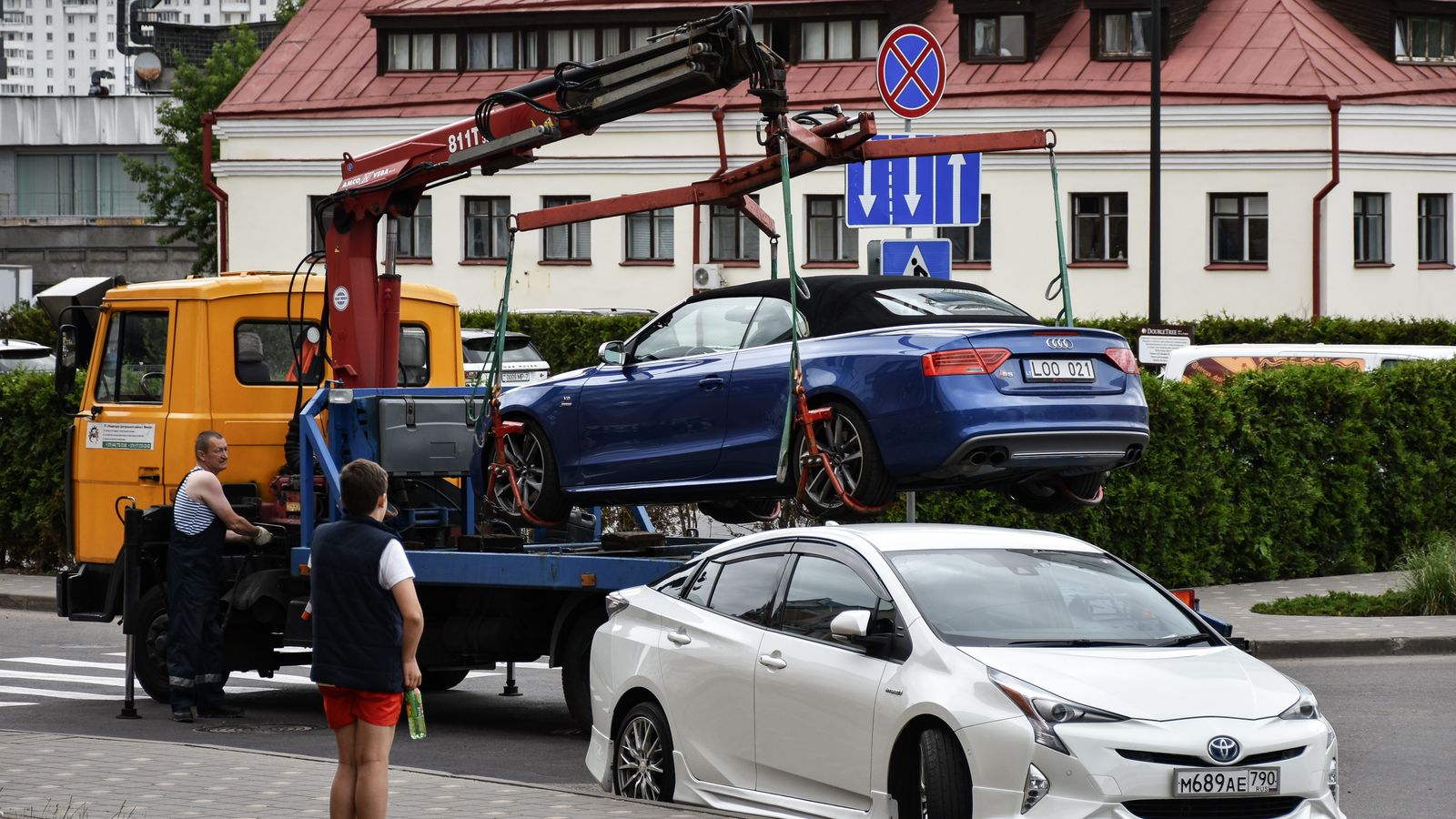
Usually yes, up to a set dollar amount. When a covered part fails and the car can’t move, most contracts reimburse a licensed tow to a repair shop. The usual limit is $100 per breakdown. If the shop later finds an excluded part failed, the plan may refuse the tow too. That’s why a separate roadside benefit that pays for any tow is worth more than it looks.
How 24/7 roadside assistance usually works under a warranty plan
- You call the roadside number printed on your contract or ID card. Some contracts also let you use your own tow company and submit the bill for reimbursement up to the limit.
- The dispatcher sends a contracted provider for a jump start, lockout, fuel delivery, flat tire change or tow.
- The plan pays the service directly up to the per-occurrence limit. You pay anything above it on the spot.
- After a tow for a mechanical failure, the shop must call the administrator for authorization before it starts. The rental benefit only starts counting once the administrator approves the repair.
Also confirm whether the plan tows to “the nearest qualified repair facility” or to “a shop of your choice.” Some roadside programs take you to the closest shop, not your own mechanic. You may then need a second tow, sometimes at your own cost. If you have a mechanic you trust, ask whether your plan’s roadside service will take you there.
Trip interruption coverage
Several providers also reimburse meals and lodging if a covered breakdown happens a set distance from home (CARCHEX: up to $125/day, max $500; American Dream Auto Protect: up to $150/day, max $450; autopom!: $75/day). This helps on road trips and matters less if you rarely drive far from home.
Trip interruption benefits usually have two conditions. The breakdown must be a covered mechanical failure, not a flat tire or a dead battery. It must also happen beyond a minimum distance from home, often 100 to 150 miles. If you mostly drive locally, you may never use this benefit. It shouldn’t weigh much in your choice. If you take road trips or drive long distances for work, ask each provider for the exact distance and daily caps.
How these benefits typically fit into a claim
Rental and towing benefits usually belong to a covered repair claim. You can’t use them on their own. In practice the order runs like this. The car breaks down and roadside assistance tows it to a shop. The shop finds a covered failure and gets pre-authorization. Only then does the rental clock usually start. If the shop finds an excluded part, the plan usually won’t pay the rental either. It may still pay the tow, since towing is often a flat benefit.
A realistic scenario
Imagine a covered transmission failure happens 40 miles from home on a weekend. Roadside assistance tows the vehicle to the nearest shop capable of handling the repair. The shop diagnoses the problem Monday morning and the provider approves the repair that day. The part is on backorder and arrives Thursday. With a $35/day, 6-day rental cap, the owner rents a car for four days. The plan reimburses up to $140. If the delay had lasted eight days, the owner would pay the last two days. In cases like this, daily caps and maximum days matter as much as the coverage list.
Common mistakes with rental and towing benefits
- Assuming rental coverage is automatic and unlimited rather than a capped, reimbursement-based benefit
- Not confirming whether the daily cap is a realistic amount for a rental in your area before you need it
- Renting a larger or higher-tier vehicle than the plan’s cap will reimburse, then being surprised by the out-of-pocket difference
- Assuming roadside assistance will tow you to your preferred shop rather than the nearest one
- Losing the rental receipt or failing to submit it promptly, since most providers set a deadline for reimbursement requests
- Not checking whether rental/towing benefits are active during the waiting period, since some plans treat these separately from repair coverage
A practical checklist before you rely on these benefits
- Confirm whether rental and towing benefits are included in your plan tier, or require an add-on or upgrade
- Check the daily cap and maximum number of days or maximum dollar amount per claim
- Ask whether reimbursement requires the vehicle to be in the shop overnight, or some other minimum time threshold
- Confirm any geographic radius restriction on roadside towing
- Ask whether roadside towing goes to the nearest shop or a shop of your choosing
- Check whether trip interruption coverage applies, and at what minimum distance from home
- Keep every rental and towing receipt, and confirm your provider’s deadline for submitting a reimbursement request
- Confirm whether roadside assistance remains active during the initial waiting period
How this varies by provider in general terms
Providers also set up these benefits in different ways. Some include rental and towing in every plan tier. Others keep the generous versions for pricier plans and offer little or nothing on entry-level coverage. A few pay the rental company directly. Most reimburse you after you pay and send a receipt. No approach is better in itself. Each one changes what you need at the moment of a breakdown, such as a credit card that can cover a rental upfront. You don’t want to learn how your plan works at that moment.
What to confirm before buying
- Whether rental/towing benefits are included in your specific plan tier, or require an upgrade
- The daily cap and maximum number of days covered
- Whether roadside assistance remains active during the waiting period
- Any geographic radius restriction on roadside service
For more on how these benefits fit into the overall claims process, see How to File an Extended Car Warranty Claim: Step-by-Step Guide.
FAQ
Is roadside assistance the same as towing coverage?
Roadside assistance is the broader category (jump-starts, lockouts, flat tires) that typically includes towing as one of its benefits. Check your specific contract for what’s bundled together.
Do I need to pay for the rental car upfront?
Usually yes. Most plans reimburse you. You pay the rental company and send the receipt to your warranty provider, which pays you back up to the daily cap.
Does the rental benefit apply if my car isn’t drivable for a non-covered reason?
Generally no. Rental reimbursement depends on a covered mechanical repair. An excluded part, an accident or routine maintenance won’t trigger it, even if you can’t drive the car.
Is there a limit on how many times I can use the rental benefit?
Most plans apply the daily cap and day limit per claim, not per contract. You can usually use the benefit again on a later covered repair. Check with your provider, because some contracts set a yearly or lifetime maximum.
Can I use any rental car company, or am I restricted to a specific one?
Most reimbursement-based plans let you use any licensed rental company. Still, a few providers partner with a specific chain for direct billing convenience. Ask whether using an outside rental company changes how quickly you’re reimbursed.
Does towing coverage include being towed home if the repair can’t be done nearby?
It depends on the provider, and nobody guarantees it. Standard roadside towing usually takes the car to the nearest qualified shop, not back to your home area. Ask specifically if this scenario is realistic for how and where you drive.
What happens if my rental exceeds the daily cap?
You pay the difference. If your plan reimburses up to $35/day and the rental costs $55/day, you cover the other $20/day. You also pay for any days beyond the plan’s maximum.
Do extended warranties cover rental cars?
Most do, as a capped reimbursement that applies only while a covered repair is being done. Entry-level powertrain plans are the most likely to leave it out or limit it, so check the “substitute transportation” or “rental” section of the sample contract before you buy. If a plan is still in its waiting period, it doesn’t cover repairs yet, so it won’t pay the rental either.
Is rental car reimbursement included automatically, or is it an add-on?
It depends on the plan tier. Many mid-tier and top-tier contracts include it at no extra cost, while some cheaper plans sell it as an upgrade. The contract’s benefits page is the only reliable answer, because sales calls tend to describe the most generous version.
Does the deductible apply to rental and towing benefits?
Often not. The PenFed sample contract, for example, applies no deductible to rental, towing or trip interruption. You still pay the repair deductible on the covered repair itself.
Will my car insurance pay for a rental instead?
Usually not for a mechanical breakdown. On an auto insurance policy, rental reimbursement usually depends on an insurance claim such as a collision, theft or storm damage. An engine or transmission failure doesn’t count. We explain the difference in Extended Car Warranty vs Car Insurance.
For official consumer guidance, see the Federal Trade Commission’s guide to auto warranties and auto service contracts.
Related guides
- Extended Warranty Pre-Existing Conditions: What Is Not Covered
- What Voids an Extended Car Warranty? 9 Mistakes to Avoid
- Can You Transfer an Extended Car Warranty When You Sell Your Car?
- Does an Extended Warranty Cover Wear and Tear? What Contracts Say
- What Happens If an Extended Warranty Claim Is Denied?